You invest in a new machine to speed up your workflow. The result? Capacity doubles, but after just a few hours, the oil mist makes the air in the workshop unbreathable.
This isn’t just a problem for large engineering plants; Skicentrum3nec in Třinec, Czech Republic, recently faced the exact same situation.
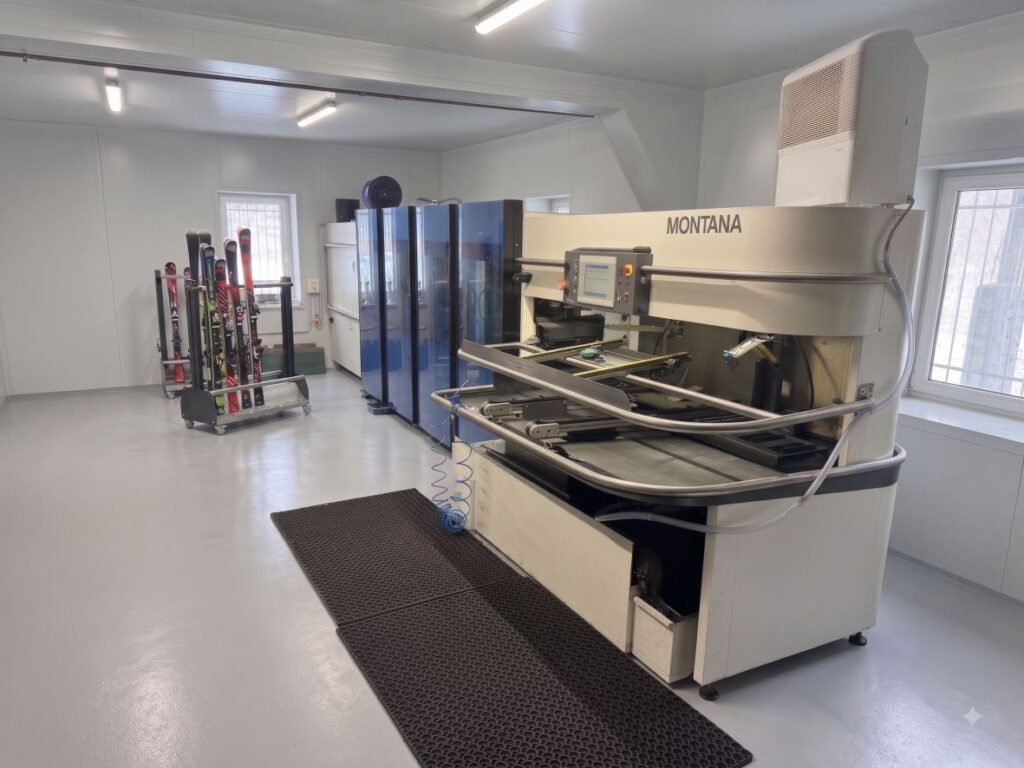
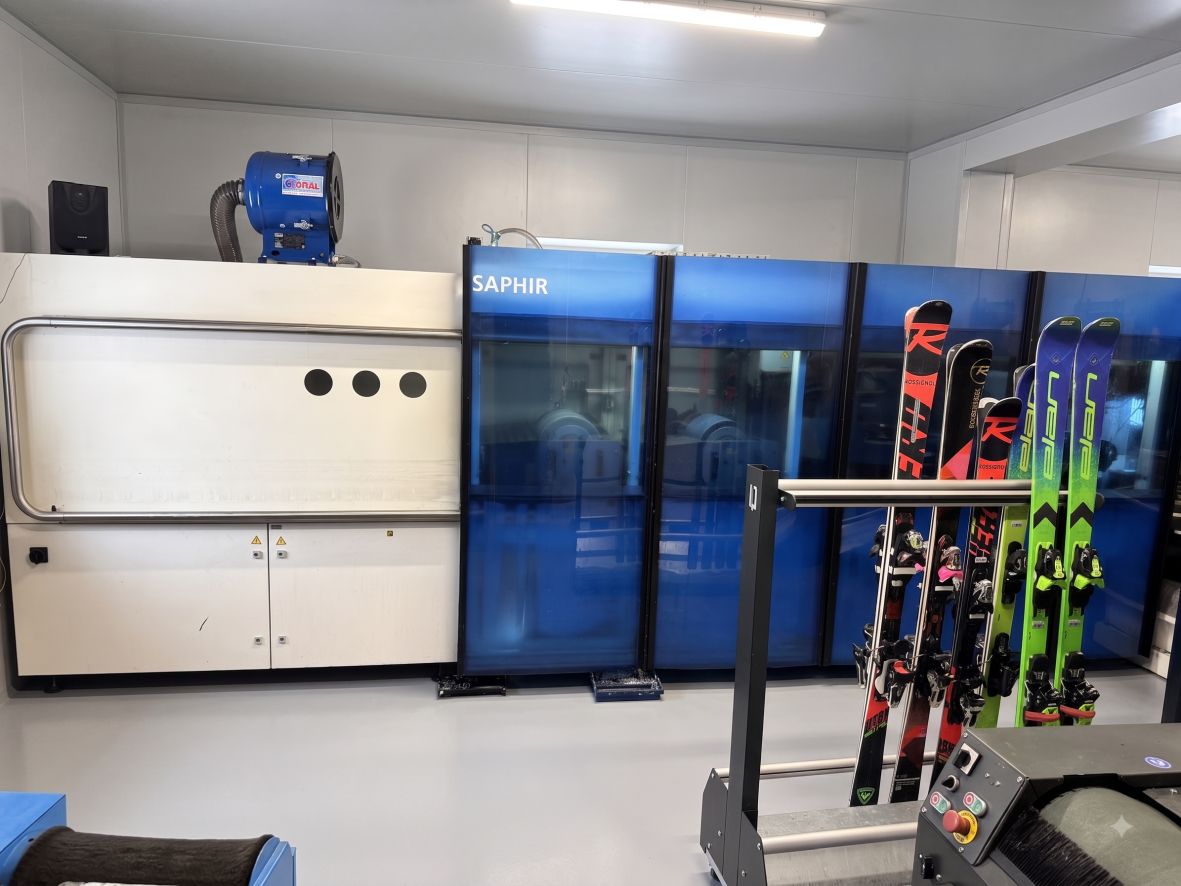
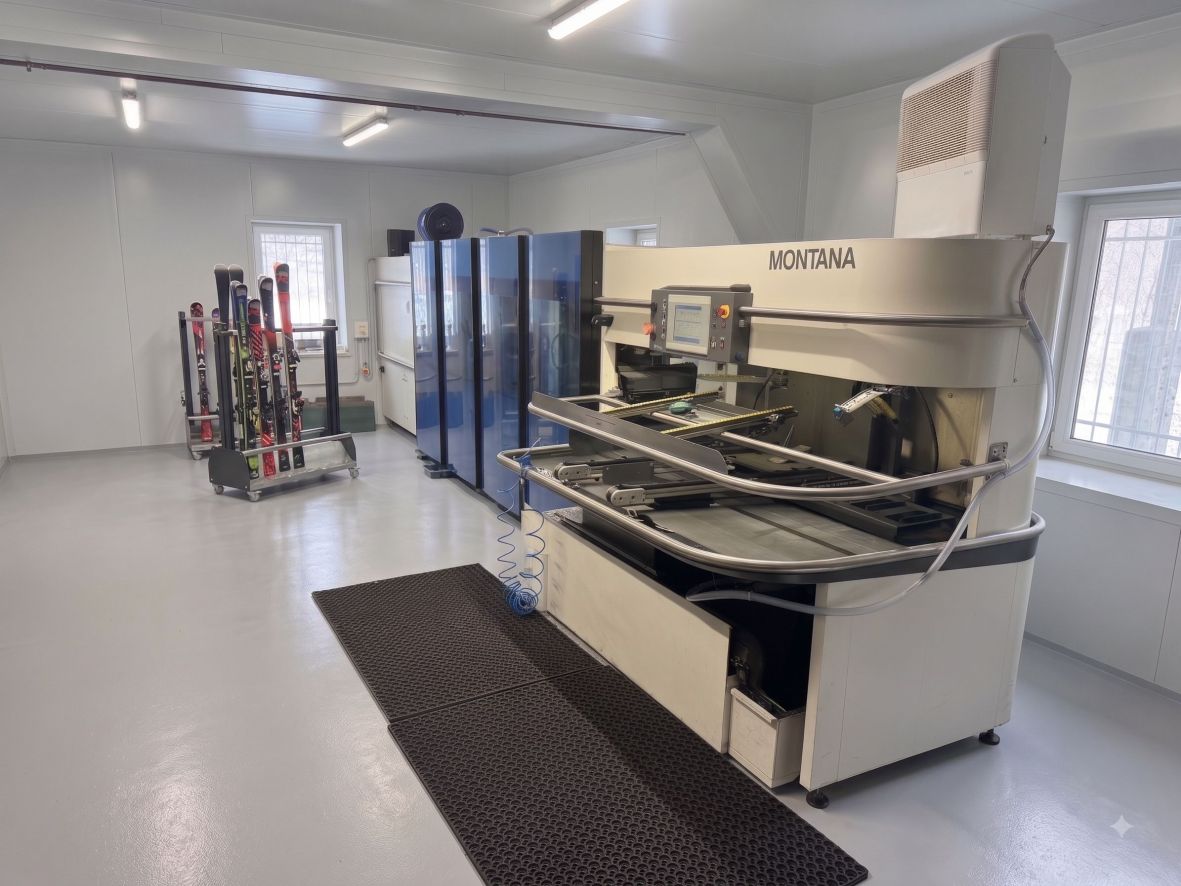
They decided to elevate their service quality to a European standard and purchased a top-tier Swiss-made Montana Saphir automated machine. Its extremely fast wet-grinding capability allowed them to increase their throughput to 12,000 pairs of skis per year.
However, there was a technical catch.
The increased volume of cooling emulsion and high operating speeds led to a massive surge in oil mist. A hazy fog quickly formed in the confined space. The air grew heavy with odors, and a dangerous greasy film settled on the floor and tools—the price paid for high performance.
To ensure Petr Martynek and his team didn’t have to put up with these conditions, we integrated a custom-tailored solution into their operations.
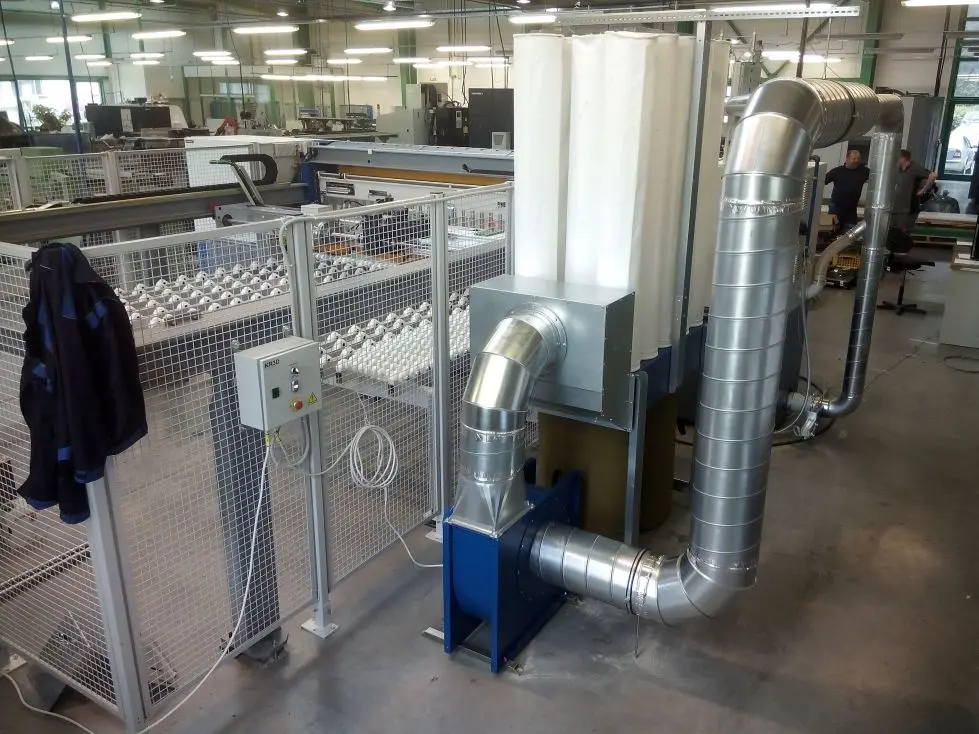
Instead of installing complex ductwork that would take up valuable workshop space, we mounted a compact CORAL Noil centrifugal separator directly onto the machine’s enclosure.
What are the results in real-world operation?
🔹 The air in the workshop remains clean, even during the most demanding shifts.
🔹 Moisture and grease have vanished from the floor—a major improvement in workplace safety.
🔹 Condensed emulsion no longer drifts through the air but drains safely back into the machine’s reservoir for reuse.
It is a classic technical lesson: when you boost the performance of the technology itself, you must not overlook the surrounding infrastructure.
Whether it involves high-end ski servicing or precision CNC machining.
Are you familiar with this issue in your production facilities? How do you handle oil mist extraction when upgrading to higher-performance machines?